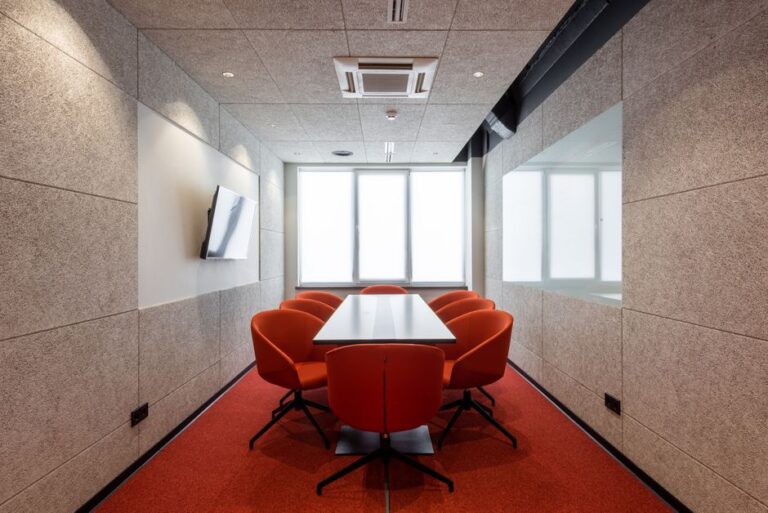
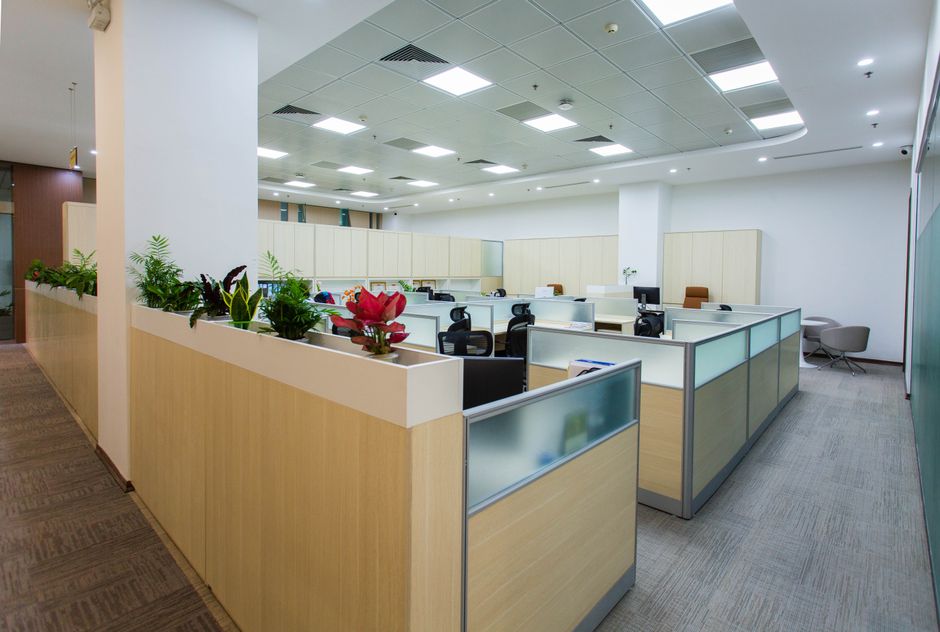
In today’s fast-paced business environment, the significance of a well-designed commercial space cannot be overstated. A commercial interior designer plays a crucial role in transforming a mundane office or retail space into an engaging and functional environment that reflects the brand’s identity. From improving employee productivity to enhancing customer experience, the expertise of a commercial interior designer is invaluable.
Understanding the Role of a Commercial Interior Designer
A commercial interior designer specializes in designing spaces for commercial use, such as offices, restaurants, hotels, and retail stores. Their primary responsibility is to create functional and aesthetically pleasing environments that meet the needs of businesses and their clients. This involves not only selecting furniture and color schemes but also understanding spatial dynamics, building codes, and the psychology of design.
One of the key aspects of their role is to collaborate with architects and clients to develop a clear vision for the space. This process typically begins with understanding the client’s goals, budget, and timeline. By conducting a thorough analysis and providing innovative design solutions, commercial interior designers help businesses create spaces that are not only beautiful but also practical.
The Design Process: From Concept to Completion
The design process for commercial interiors usually follows several stages. Initially, a designer will conduct a site analysis to assess the existing conditions of the space. This includes evaluating the layout, lighting, and overall ambiance. Once this assessment is complete, the designer will develop a concept that aligns with the client’s vision. Mood boards and 3D renderings can be used to present ideas visually.
After the concept is approved, the designer will move on to selecting materials, finishes, and furnishings. This phase is where the designer’s creativity shines, as they choose elements that not only fit within the budget but also enhance the overall aesthetic. Designers will often source sustainable materials, ensuring the space is both stylish and environmentally friendly.
Finally, the implementation phase involves overseeing the construction and installation of the design. A commercial interior designer will coordinate with contractors, ensuring that the project adheres to the timeline and budget while maintaining the intended design quality. This attention to detail during execution is what ultimately brings the design to life.
Impact on Business Performance
The investment in professional commercial interior design can yield significant returns for businesses. Research indicates that well-designed workspaces can enhance employee productivity by up to 20%. A comfortable and inspiring environment not only motivates employees but can also reduce stress and improve overall job satisfaction.
Moreover, the customer experience is greatly influenced by the design of a commercial space. For instance, retail stores that are designed with customer flow in mind can increase sales by creating an intuitive shopping experience. Similarly, restaurants with inviting interiors are more likely to attract repeat customers, leading to increased revenue.
Statistics also show that businesses that prioritize design often outperform their competitors. A study by the Design Management Institute found that design-led companies outperformed the S&P by 228% over a ten-year period. This underscores the importance of hiring a qualified commercial interior designer who can strategically enhance a brand’s presence through thoughtful design.
Trends in Commercial Interior Design
As industries evolve, so do the trends in commercial interior design. Currently, there is a growing emphasis on sustainability and wellness. Many businesses are opting for biophilic design, which incorporates natural elements into the workspace. This not only improves air quality but also promotes well-being and productivity among employees.
Another trend is the use of flexible spaces that can adapt to different needs. With the rise of remote work, companies are redesigning their offices to create collaborative spaces that can accommodate various working styles. This adaptability is crucial for fostering creativity and teamwork.
Technology integration is also becoming a significant aspect of commercial design. Smart buildings equipped with advanced technology can enhance efficiency and user experience. Designers are increasingly incorporating tech solutions into their plans, creating spaces that are not only functional but also innovative.
Choosing the Right Commercial Interior Designer
When selecting a commercial interior designer, it’s essential to consider their portfolio and experience. Look for designers who have successfully completed projects similar to yours. Client testimonials and case studies can provide insights into their design philosophy and execution style.
Furthermore, communication is key in this collaborative process. A designer should be willing to listen to your ideas and incorporate them into the design. Establishing a strong rapport can lead to a more successful partnership and a final product that meets your expectations.
Budget considerations are also crucial. A skilled designer will be able to provide a detailed breakdown of costs and help you maximize your investment. Transparency in pricing and a clear understanding of the scope of work will ensure that there are no surprises during the project.
Conclusion
In conclusion, the role of a commercial interior designer is vital in creating spaces that enhance business performance and customer experience. By understanding the intricacies of design, these professionals can transform ordinary spaces into extraordinary environments that reflect a brand’s identity and values. Investing in a skilled commercial interior designer can yield significant benefits, from increased productivity to improved customer satisfaction. As the landscape of commercial spaces continues to evolve, the expertise of interior designers will remain an essential asset for any business seeking to thrive in a competitive market.
About the Author