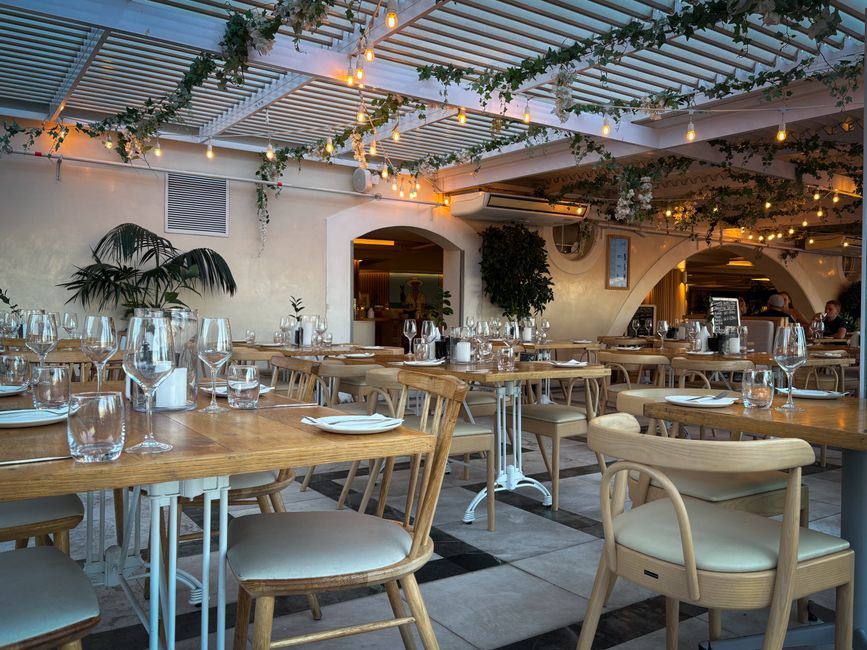
In the bustling world of food and dining, the importance of restaurant interior design cannot be overstated. It’s not merely about aesthetics; it’s about creating an experience that resonates with customers, evokes emotions, and enhances the overall dining experience. From the color palette to furniture selection, each element plays a crucial role in shaping the restaurant’s identity and atmosphere.
Understanding the Significance of Interior Design
When patrons step into a restaurant, they are immediately influenced by the interior design. Studies have shown that a well-designed space can increase customer satisfaction and encourage repeat visits. According to a survey conducted by the Restaurant Association, 60% of diners consider the ambiance essential when choosing where to eat. This statistic underscores the fact that effective restaurant interior design impacts not only the initial impression but also long-term customer loyalty.
Furthermore, the interior design can mirror the restaurant’s theme and cuisine, reinforcing brand identity. For instance, a rustic Italian eatery might feature dark wood tables, vintage decor, and warm lighting to create a cozy, authentic atmosphere. In contrast, a modern sushi bar might opt for sleek lines, minimalistic decor, and bright colors to evoke a sense of freshness and innovation.
Key Elements of Restaurant Interior Design
Several key elements contribute to effective restaurant interior design. One significant aspect is layout. A thoughtful layout can enhance the flow of service and improve the customer experience. For example, placing the kitchen near the dining area allows for quick service, while ensuring that tables are spaced appropriately can provide diners with a sense of privacy.
Lighting is another critical component. The right lighting sets the mood and influences how food is perceived. Studies indicate that dim lighting can make food appear more appetizing, while bright lights may enhance the perception of cleanliness. Therefore, a careful balance needs to be struck between functional and ambient lighting.
Color schemes also play a pivotal role. Colors can evoke different emotions and responses in diners. Warm colors like red and orange can stimulate appetite and conversation, while cooler tones like blue and green can create a sense of calm. Understanding color psychology is essential for creating an inviting atmosphere.
Incorporating Local Culture and Art
Another trend in restaurant interior design is the incorporation of local culture and art. This approach not only fosters a sense of community but also provides a unique dining experience. For instance, restaurants that display local artwork or pay homage to regional traditions can create an immersive experience that resonates with customers.
Additionally, using materials sourced from the local area can enhance the connection between the restaurant and its environment. For example, a coastal seafood restaurant might use reclaimed wood from local docks, while a farm-to-table eatery could incorporate elements like exposed brick or natural materials that reflect its commitment to sustainability.
Trends in Restaurant Interior Design
As we look ahead, several trends are emerging in restaurant interior design. One such trend is sustainability. Many restaurants are now opting for eco-friendly materials and designs. This not only appeals to environmentally-conscious consumers but also contributes to a restaurant’s overall brand image.
Another trend is the use of technology in design. Interactive elements such as digital menus or augmented reality features can enhance the customer experience, making dining more engaging. These innovations can also streamline operations and improve service efficiency.
Conclusion: The Future of Restaurant Interior Design
In conclusion, restaurant interior design is a multifaceted discipline that goes beyond mere aesthetics. It plays a vital role in shaping the customer experience, influencing everything from the ambiance to the perception of food quality. As consumer preferences evolve, so too will the approaches to interior design in the restaurant industry. To stay competitive, restaurant owners must remain attuned to trends and innovations in design, ensuring that their spaces not only attract diners but also create memorable experiences. One aspect to consider is consulting professionals who specialize in restaurant interior design, as their expertise can provide invaluable insights into creating a space that is both functional and inviting.
About the Author