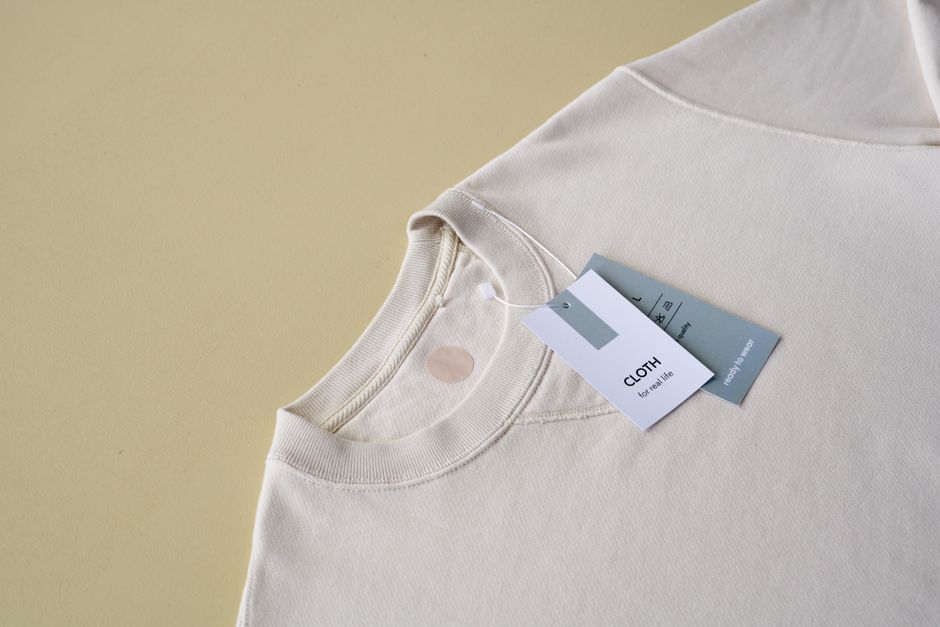
In recent years, the fashion industry has witnessed a significant shift towards private label clothing. This trend has transformed the way retailers approach their merchandise strategies, allowing them to offer unique products without the heavy costs associated with branded clothing. Private label clothing refers to apparel that is manufactured by one company for sale under another company’s brand. This article delves into the nuances of private label clothing, exploring its benefits, challenges, and the best practices for success in this dynamic market.
Understanding Private Label Clothing
Private label clothing is a strategy that many retailers adopt to differentiate themselves in a crowded marketplace. By developing their own brand of clothing, retailers can control the quality, design, and pricing of their products. This approach not only enhances brand loyalty but also leverages the retailer’s unique identity in the market. According to a report by Statista, the private label market in the apparel sector has grown significantly, with an estimated value of over $100 billion globally.
Furthermore, private label clothing allows retailers to cater to specific consumer needs. For instance, a store may specialize in eco-friendly apparel or plus-size fashion, creating a niche that resonates with targeted customers. By focusing on these segments, retailers can establish a loyal customer base that appreciates their unique offerings.
Benefits of Private Label Clothing
One of the primary advantages of private label clothing is the potential for higher profit margins. Retailers can set their prices independently, often resulting in margins that are significantly higher than those of branded products. This financial flexibility can be crucial, especially for small to medium-sized businesses looking to scale their operations.
In addition to financial benefits, private label clothing provides retailers with greater control over their inventory. Retailers can respond quickly to market trends and consumer preferences, allowing them to adjust their offerings in real-time. For example, if a particular style becomes popular, retailers can ramp up production without being tied to a specific brand or supplier.
Challenges in Private Label Clothing
While the benefits are enticing, there are also challenges associated with private label clothing. One of the most significant hurdles is the initial investment in product development. Retailers must invest in designing, sourcing materials, and manufacturing their clothing lines, which can be costly and time-consuming.
Quality control is another critical aspect to consider. Retailers must ensure that the clothing meets their quality standards to maintain their brand’s reputation. This often involves working closely with manufacturers and conducting regular quality assessments, which can be a daunting task for those new to the private label space.
Best Practices for Success
To succeed in the private label clothing market, retailers should implement a few best practices. First, conducting thorough market research is essential. Understanding consumer preferences and market trends can guide product development and help retailers create clothing that resonates with their target audience.
Building strong relationships with manufacturers is also crucial. Retailers should seek out reputable suppliers who can deliver high-quality products consistently. Additionally, establishing clear communication channels can help address any issues that arise during the production process.
Finally, effective marketing strategies are vital for promoting private label clothing. Retailers should focus on highlighting the unique aspects of their brand and the quality of their products. Utilizing social media, influencer partnerships, and targeted advertising can help increase visibility and drive sales.
Conclusion
Private label clothing presents a remarkable opportunity for retailers to carve out a unique space in the competitive fashion industry. By understanding the benefits and challenges of this model, and implementing best practices, retailers can successfully launch their own clothing lines. As the demand for unique and personalized fashion continues to grow, private label clothing will undoubtedly play a pivotal role in shaping the future of retail.
For those interested in exploring options for private label clothing, visit private label clothing resources that can guide you in your journey.
About the Author