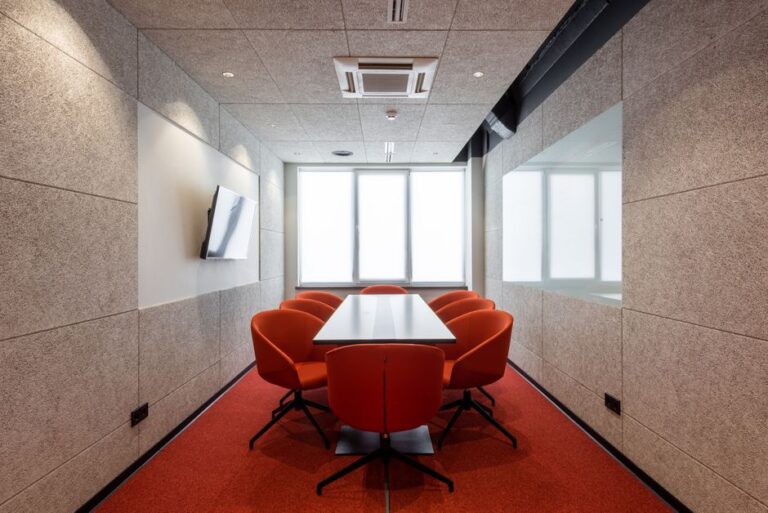
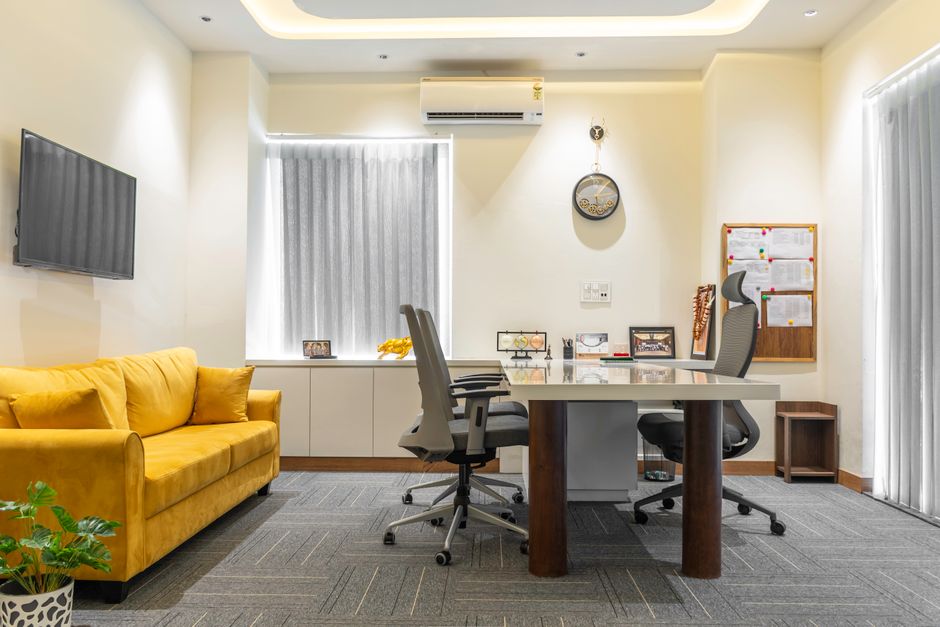
In today’s fast-paced world, the importance of a well-designed space cannot be overstated. Whether it is a cozy home or a bustling office, the environment plays a crucial role in influencing mood, productivity, and overall well-being. This is where an interior design firm steps in, offering expertise and creativity to transform ordinary spaces into extraordinary experiences. This article delves into the various aspects of interior design firms, how they operate, and the impact they have on our daily lives.
Understanding the Role of Interior Design Firms
Interior design firms specialize in creating functional and aesthetically pleasing environments. They work closely with clients to understand their needs, preferences, and lifestyles. From residential projects to commercial spaces, these firms employ a systematic approach to design that encompasses everything from space planning to color selection.
One key aspect of an interior design firm’s role is to ensure that the space is not only beautiful but also functional. This often involves making the best use of available space and ensuring that the design aligns with the client’s vision. For instance, a well-designed office can enhance employee productivity and satisfaction, while a thoughtfully arranged home can promote relaxation and comfort.
Moreover, interior design firms stay updated with the latest design trends, materials, and technologies. This knowledge allows them to provide clients with innovative solutions that are both practical and stylish. By collaborating with architects, contractors, and suppliers, they ensure that every project runs smoothly and meets quality standards.
The Design Process: From Concept to Completion
The journey with an interior design firm typically begins with an initial consultation. During this phase, designers gather information about the client’s preferences, lifestyle, and budget. This is followed by a comprehensive space analysis where designers evaluate the layout and functionality of the current space.
Once the groundwork is laid, the firm develops a design concept that includes color schemes, furniture selection, and layout options. Presenting these ideas to the client is crucial, as it sets the foundation for the project. Client feedback is vital at this stage to ensure that the final design reflects their vision.
After the concept is approved, the firm moves into the implementation phase, where the actual work begins. This includes sourcing materials, coordinating with contractors, and overseeing the installation process. Throughout this phase, the interior design firm ensures that the project stays on schedule and within budget, while also maintaining quality control.
Benefits of Hiring an Interior Design Firm
Hiring an interior design firm can be a game-changer for both residential and commercial spaces. One of the primary benefits is the access to professional expertise. Designers bring a wealth of knowledge and experience to the table, which can save clients time and money in the long run.
Additionally, interior design firms often have established relationships with suppliers and contractors. This not only helps in negotiating better prices but also ensures that the materials used are of high quality. For example, when choosing furniture or fixtures, a designer can guide clients towards options that are both aesthetically pleasing and durable.
Furthermore, a well-designed space can significantly enhance the value of a property. In the real estate market, homes with professional interior design often sell faster and at higher prices, making it a worthwhile investment for homeowners looking to enhance their living spaces.
Trends Shaping the Future of Interior Design
The interior design industry is ever-evolving, with trends continually shifting to reflect changes in lifestyle and technology. One notable trend is the increasing focus on sustainability. Many interior design firms are now prioritizing eco-friendly materials and practices, promoting designs that are not only beautiful but also environmentally responsible.
Another trend gaining momentum is the incorporation of smart technology into design. From automated lighting to climate control systems, interior designers are finding innovative ways to integrate technology seamlessly into living and working environments.
Additionally, the rise of remote work has influenced residential design, with more clients seeking dedicated home office spaces. Interior design firms are adapting to these needs by creating functional yet stylish workspaces within homes.
Choosing the Right Interior Design Firm
When selecting an interior design firm, it’s essential to consider several factors. Firstly, assess the firm’s portfolio to understand their style and expertise. This can give potential clients insight into whether the firm can meet their design preferences.
Secondly, communication is key. A good interior design firm should prioritize understanding the client’s vision and be transparent about the design process, timelines, and costs. Client reviews and testimonials can also provide valuable information about the firm’s reputation and reliability.
Lastly, ensure that the firm is licensed and insured. This not only protects the client but also ensures that the firm adheres to industry standards and practices.
Conclusion
Interior design firms play a pivotal role in transforming spaces into functional and beautiful environments. Their expertise in understanding client needs, coupled with their knowledge of design trends and materials, makes them invaluable partners in any design project. As the industry continues to evolve, embracing sustainability and technology, the impact of interior design firms will only grow. For those looking to enhance their spaces, partnering with a professional interior design firm can lead to remarkable transformations that reflect personal style and functionality.
About the Author